Rio Tinto: Accelerating rail maintenance data processing with the RSM Scanner
Managing maintenance data at scale
Rio Tinto is a leading global mining company that operates in 35 countries, producing iron ore, copper, aluminium, critical minerals and other materials required for the global energy transition.
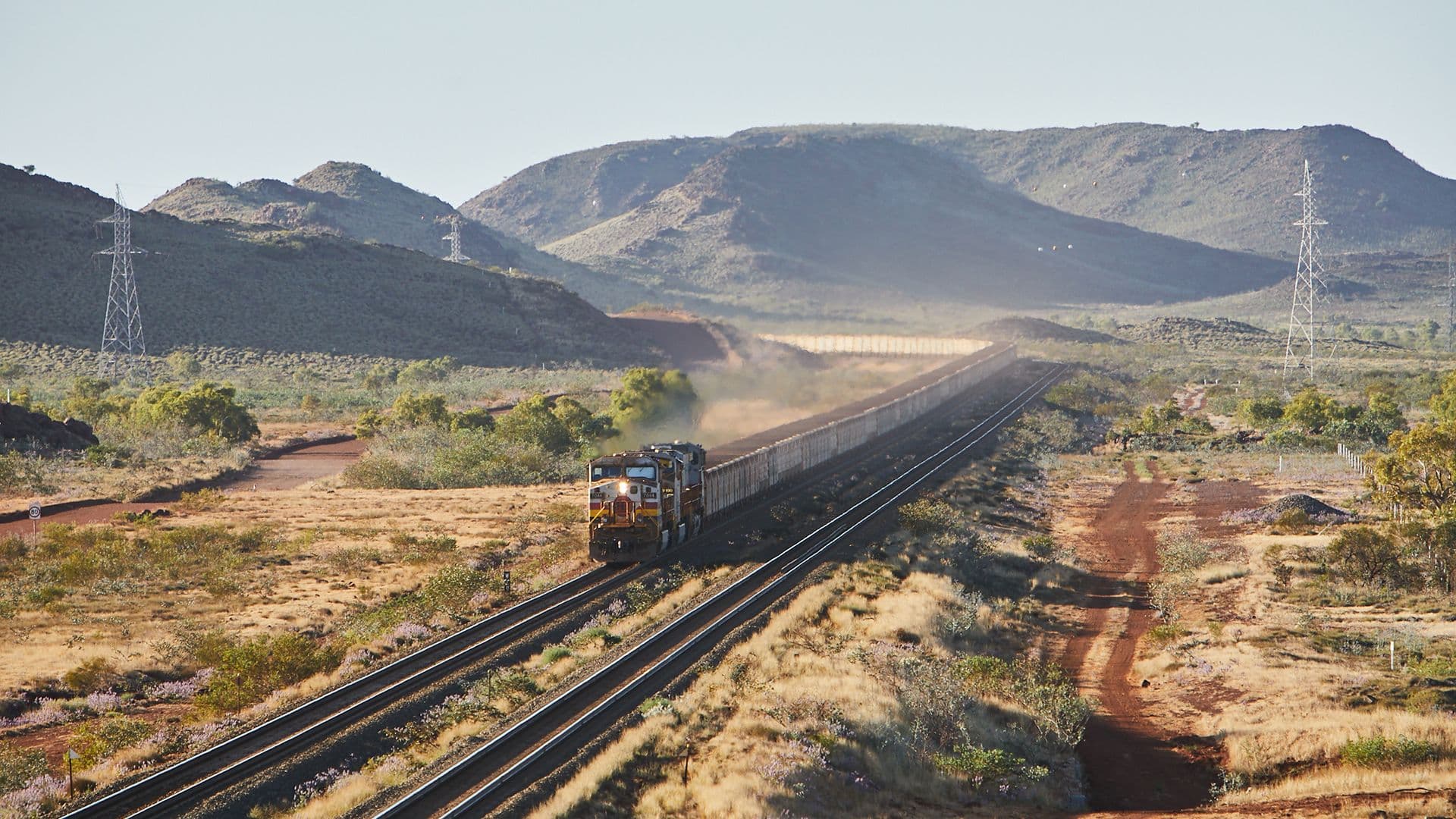
At its Seven Mile operations centre between Karratha and Dampier in Western Australia, the Rolling Stock Maintenance (RSM) division maintains the largest train hub in the Pilbara region. The fleet consists of more than 13,000 ore cars and 5,000 wagons annually, and the workshop operates 24/7 to provide trip servicing, routine maintenance and breakdown support.
Historically, the RSM team relied heavily on paper-based maintenance work packs. Processing these large volumes of data required extensive manual data entry, consuming valuable time and limiting the team’s ability to quickly access maintenance data or analyse lifecycle information for critical assets such as train wheel-sets and bearings.
To address this, Rio Tinto engaged Mechanical Rock to automate and accelerate the processing of paper-based maintenance work pack data using AI/ML learning, unlock data from historical archives and design a solution to meet their future data processing needs.
Developing an AI-powered document processing application in under three months
In March 2024, Mechanical Rock was engaged to design and develop an AI-powered document processing application to speed up processing maintenance data and make it easier to access for on-site teams.
Mechanical Rock worked closely with subject matter experts and end-users, conducting interviews and continuous user testing to ensure the solution reflected real workflows and operational constraints in a live maintenance environment.
Within three months, the RSM Scanner application, a ready-to-use NextJS and React web application with full scalability, security and integration with existing systems, was delivered to the Seven Mile workshop for piloting.
Combining automation with human oversight
The RSM Scanner was built using AI/ML services and bespoke, domain-specific configurations to scan and process large work packs, often exceeding 200 pages.
Using AWS Textract, the RSM Scanner identifies custom page types and extracts key data, including handwritten names, personnel numbers, hours worked, comments, signatures and other maintenance-critical information. Users can also navigate key data within the work packs using an interactive table of contents, and flag potential data identification issues based on configurable confidence levels.
A human-in-the-loop approach underpins the RSM Scanner, allowing users to review, edit, delete or enter missing data before exporting it into operating systems. This ensures the integrity of the data and helps the RSM Scanner with future data ingestion accuracy.
Supporting teams with reduced admin and improved insight
The RSM Scanner supports maintenance coordinators, supervisors, superintendents and planners by reducing the administrative effort required to manage maintenance work packs. By automating data processing, the application saves hours of manual data entry and improves access to both current and historical maintenance data. With the work packs digitised and data more readily available, the RSM team can better analyse asset lifecycle information and make more confident, data-driven decisions.
Built for reliability and security
Mechanical Rock worked closely with Rio Tinto’s internal teams to ensure the RSM Scanner met enterprise networking, reliability and security requirements. Infrastructure as Code (IaC) was defined using Terraform which supports repeatable environments, more efficient deployments and improved testing. Azure AD authentication and Single Sign-On (SSO) were also implemented to align with Rio Tinto’s security standards and provide seamless access for users.
Unlocking historical data for better decision-making
In October 2025, the application was further refined to begin ingesting historical maintenance data to give greater visibility into asset performance over time.
To date, Mechanical Rock has worked closely with the RSM team to ingest approximately 15,000 archived work packs, unlocking two years of historical maintenance data. This data supports more informed analysis of wheel set and bearing lifecycles and better decision-making across maintenance planning.
How can Mechanical Rock help with your next product development?
At Mechanical Rock, we help companies deliver cloud-native solutions, leverage data platforms and unlock AI so systems can run securely, reliably and at scale.
Whether you’re looking to validate a new idea with a proof of concept or improve the performance of an existing solution, we can help.
More from our work


Product Development
CareCorner: Bringing peace of mind to families through technology
At Mechanical Rock, we believe technology should serve people - not the other way around. One project that truly embodies this philosophy is CareCorner, a digital care coordination platform designed to help families, carers, and medical professionals work together seamlessly.


Product Development
Snowvault: Turning fragmented enterprise documents into a governed AI knowledge platform
Snowvault connects to a customer's existing document repositories, email systems and data stores, and transforms that content into a live, searchable, AI-powered knowledge layer that supports structured workflows, specialist agents and auditable work outputs.


Product Development
Glove Boxx: AI-Powered Digital Asset Management Proof of Concept
Glove Boxx engaged Mechanical Rock to rapidly develop an AI-powered digital asset management solution to transform how vehicle and vessel owners track maintenance records and protect asset value.